
Spring is the most important season for making a first impression. For commercial properties across Tennessee, seasonal color at entrances sets the tone for tenants, visitors, and boards alike. The challenge is choosing flowers that look great early in the season but can also handle rising temperatures, variable rainfall, and ongoing maintenance as spring quickly turns into summer.
At Puryear Farms, we focus on spring flower selections that balance visual impact, durability, and long-term performance, not just what looks good on installation day.
Why Spring Flower Selection Matters More Than You Think
In Tennessee, spring conditions are unpredictable. Cool mornings, sudden heat spikes, heavy rain, and early humidity all affect how annual flowers establish. Poor plant choices or improper installation can lead to thin beds, stress, and early decline by mid-summer.
That’s why we approach seasonal color for commercial entrances with a performance-first mindset, selecting plants that:
- Tolerate heat as temperatures climb
- Maintain color with routine maintenance
- Establish quickly in irrigated beds
- Hold up under high-visibility, high-traffic conditions
For properties planning ahead, early coordination is key. Ordering and scheduling spring flowers in advance helps ensure availability and proper timing, especially for large commercial sites. This approach is outlined in our guide, The Early Bird Gets the Bloom: Order Your Spring Flowers Today.
What We Prioritize When Choosing Spring Flowers
Not all spring annuals are created equal. Our selections are based on what consistently performs well across Middle Tennessee commercial properties.
We prioritize:
- Heat tolerance heading into late spring and summer
- Low maintenance needs once established
- Strong color retention in full sun locations
- Compatibility with irrigation schedules
- Resistance to deer pressure, where applicable
We also avoid plants that struggle in Tennessee’s changing climate. Many common garden failures are addressed in Say Goodbye to These Garden Fails: The Plants You Should Avoid in Tennessee’s Changing Climate.
Our Most Reliable Spring Flowers for Commercial Entrances
These are the plants we return to year after year because they perform.
Begonias (Including Dragon Wing Varieties)
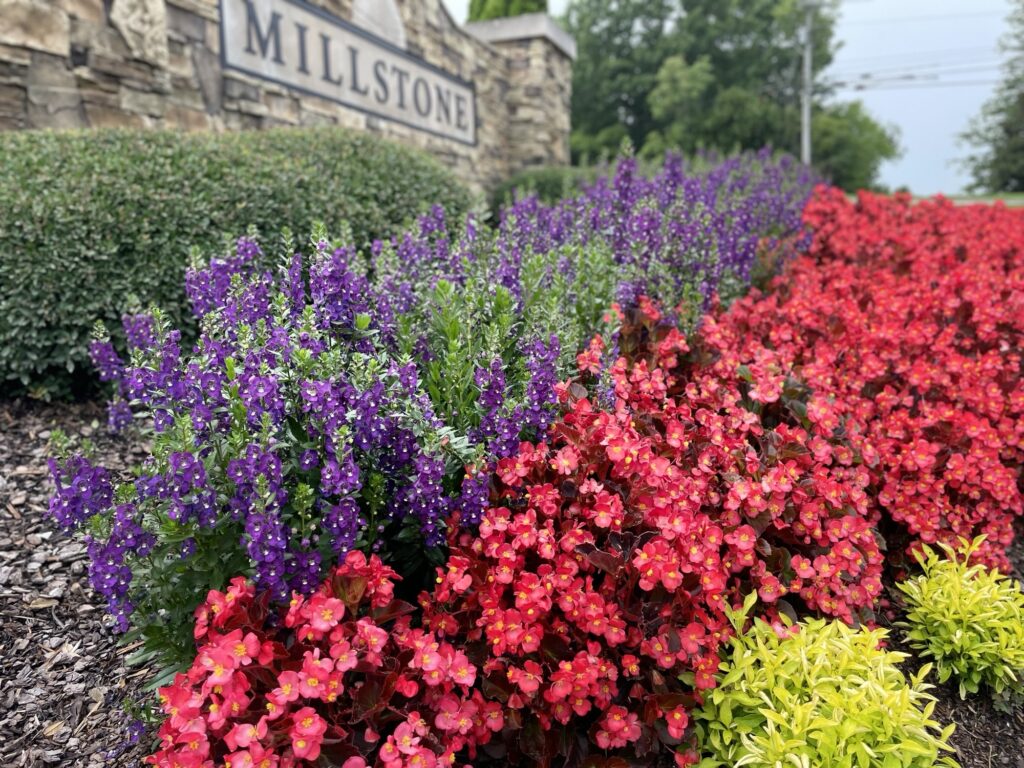
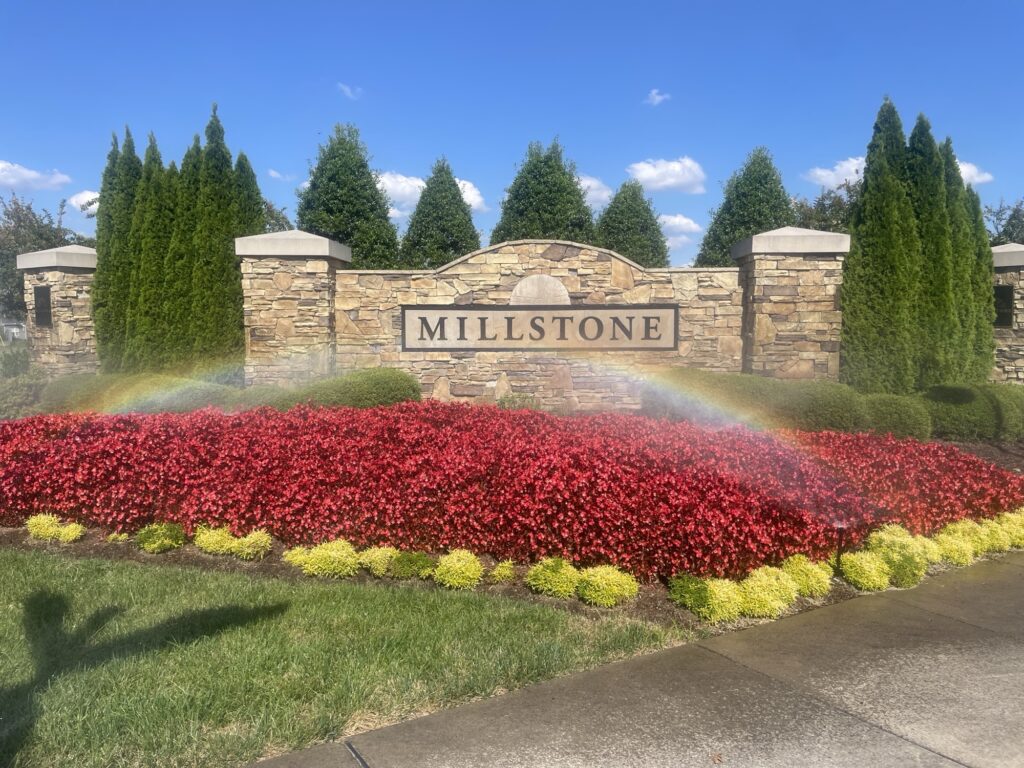
Green-leaf begonias in red, white, or pink are a staple for commercial entrances. They offer long-lasting blooms and consistent coverage. Dragon Wing begonias add a more dramatic, flowing effect for higher-profile entrances while maintaining durability.
Joseph’s Coat
Chosen primarily for its vibrant foliage color, Joseph’s Coat adds contrast and interest throughout the season. It works especially well as a front-of-bed or border plant and pairs naturally with flowering annuals.
Angelonia
Angelonia is ideal for larger beds where vertical structure is needed. Its upright growth habit and excellent heat tolerance make it a reliable performer as temperatures rise.
Lantana
Lantana is one of the toughest annuals we use. It thrives in heat, tolerates full sun, and is one of the better options for properties with heavy deer populations.
SunPatiens
SunPatiens perform well even in challenging conditions and are particularly useful in beds with varying light or moisture levels. Once established, they maintain strong color with minimal intervention.
Coleus (Foliage-Based Color)
Coleus is grown for leaf color rather than flowers. It provides bold visual impact with very low maintenance once established, making it a smart choice for properties prioritizing consistency over blooms.
The “Holy Trinity” of Spring Annuals
For many commercial properties, our most dependable combination is:
Begonias + Joseph’s Coat + Angelonia
This trio delivers:
- Layered height and structure
- Strong color contrast
- Full bed coverage
- Reliable performance through summer
It’s a proven solution for properties that want impact without excessive upkeep.
Don’t Overlook Fall Bulbs for Early Spring Impact
While spring annuals steal the spotlight, fall-planted bulbs play a critical role in early-season curb appeal. Bulbs provide color before annuals are installed, helping properties stand out coming out of winter.
Benefits include:
- Early spring color with minimal maintenance
- Extended seasonal interest
- Reduced pressure on spring installation timing
For many commercial entrances, bulbs and annuals work best as part of a coordinated, year-round plan.
How Puryear Farms Installs Flowers for Long-Term Success
Great plants still fail without proper installation. Our process is designed for performance, not shortcuts.
Planned Locations
All flower beds are clearly marked on our mow maps. This ensures consistency, protects beds during maintenance, and keeps expectations clear for property managers.
Proper Spacing
- Standard spacing: 8 inches on center
- Adjusted slightly for plant size
- Installed using triangular spacing, not straight rows
Triangular spacing allows for faster fill-in, better coverage, and fewer visible gaps over time.
Soil Preparation and Fertilization
Beds are tilled to proper depth prior to planting. At installation, we apply a Puryear Farms proprietary slow-release flower blend, developed in-house to support early establishment and sustained growth through the season.
Watering and Irrigation Setup
- Initial water-in is included at installation
- If irrigation is available, we set up a dedicated flower schedule
- If irrigation is not available, plant selection and expectations are adjusted accordingly
Seasonal color requires consistent moisture, especially during establishment.
Managing Deer Pressure on Commercial Properties
Deer pressure is a reality across many Tennessee properties. In high-pressure areas, plant selection matters. Lantana is often the most reliable option, while other annuals may require additional consideration.
We evaluate each site individually to balance aesthetics with real-world conditions.
A Maintenance-First Approach to Seasonal Color
Seasonal flowers should enhance a property, not create ongoing issues. Our approach is rooted in long-term maintenance efficiency and consistent results. As Puryear Farms, Gallatin, TN’s Trusted Landscape Maintenance Company, we design seasonal color programs that integrate seamlessly into ongoing care.
Frequently Asked Questions About Spring Flowers for Commercial Properties
1. What are the best spring flowers for commercial entrances in Tennessee?
Begonias, Joseph’s Coat, Angelonia, Lantana, SunPatiens, and Coleus consistently perform well in Tennessee’s climate.
2. How long do spring annuals typically last?
With proper irrigation and maintenance, most spring annuals perform well from early spring through late summer.
3. Are spring flowers high maintenance?
When properly selected and installed, spring annuals require routine care but should not demand excessive maintenance.
4. Is irrigation required for seasonal flowers?
Yes. Irrigation is essential for establishment and long-term performance. Without it, plant choices must be limited.
5. What spacing is best for commercial flower beds?
Most spring annuals are planted at approximately 8 inches on center using triangular spacing for optimal coverage.
6. Do deer eat spring flowers?
Yes. Deer pressure can be significant. Lantana is one of the most deer-resistant options available.
7. Why does triangular spacing matter?
Triangular spacing allows plants to fill in faster, reduces visible gaps, and creates a fuller appearance.
8. When should spring flowers be installed in Tennessee?
Installation timing depends on weather, but planning and ordering should begin well in advance of spring.
9. Are fall bulbs worth it for commercial properties?
Yes. Fall bulbs provide early spring color before annuals are installed, extending seasonal interest.
10. How does Puryear Farms ensure flowers last longer?
Through proper plant selection, soil preparation, proprietary fertilization, correct spacing, and irrigation setup.