
Winter landscapes do not have to feel flat, empty, or forgotten. Yet across Tennessee, many commercial entrances fall into the same trap every year: everything turns brown, beds disappear into mulch, and the only remaining color is traffic signage.
The problem is not winter itself. The problem is plant selection.
With the right mix of evergreens, structural plants, bark interest, and texture, winter landscapes can stay visually strong without increasing maintenance calls or replacement costs. The goal is not more plants. The goal is better-performing plants in the right places.
This guide breaks down what works, what does not, and how to design winter landscapes that still represent your property well when visibility matters most.
Why Winter Plant Selection Matters for Commercial Entrances
High-visibility entrances do more than frame a property. They shape first impressions during the darkest months of the year, when daylight is limited, and curb appeal is hardest to maintain.
Well-planned winter plantings should:
- Hold the visual structure after leaf drop
- Avoid excessive litter or cleanup
- Maintain safe sightlines around signage and traffic
- Perform consistently in exposed, real-world conditions
Too often, landscapes get caught in what we call “green land”—lots of plant variety, but everything looks the same once winter hits. The solution is intentional contrast, not excess planting.
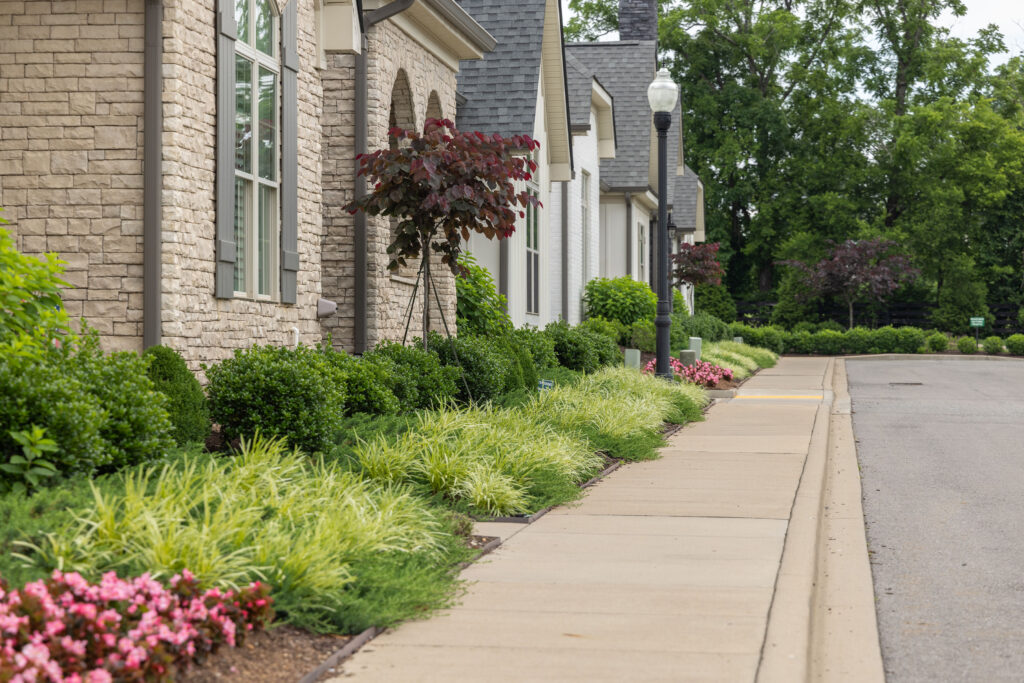
Best Winter Plants for Commercial Landscapes in Tennessee
Evergreen Plants That Provide Structure and Color
Evergreens form the backbone of winter landscapes, but not all evergreens are created equal.
Red Sprite Holly
This holly adds real winter interest thanks to its red berries, creating a striking contrast against the mulch and hardscape. It works especially well in prominent entry beds where color matters most.
Fire Chief Arborvitae
Known for its seasonal color shift, Fire Chief offers more than standard green tones. Its compact form makes it a strong choice near signage or walkways.
Golden Globe Arborvitae
This variety breaks up monotony with its softer, golden hue and holds its shape well throughout winter. It works best in groupings rather than as isolated specimens.
Blue Star Juniper
Blue-gray foliage provides contrast against snow and darker winter backdrops. It is durable, low-maintenance, and well-suited for commercial conditions.
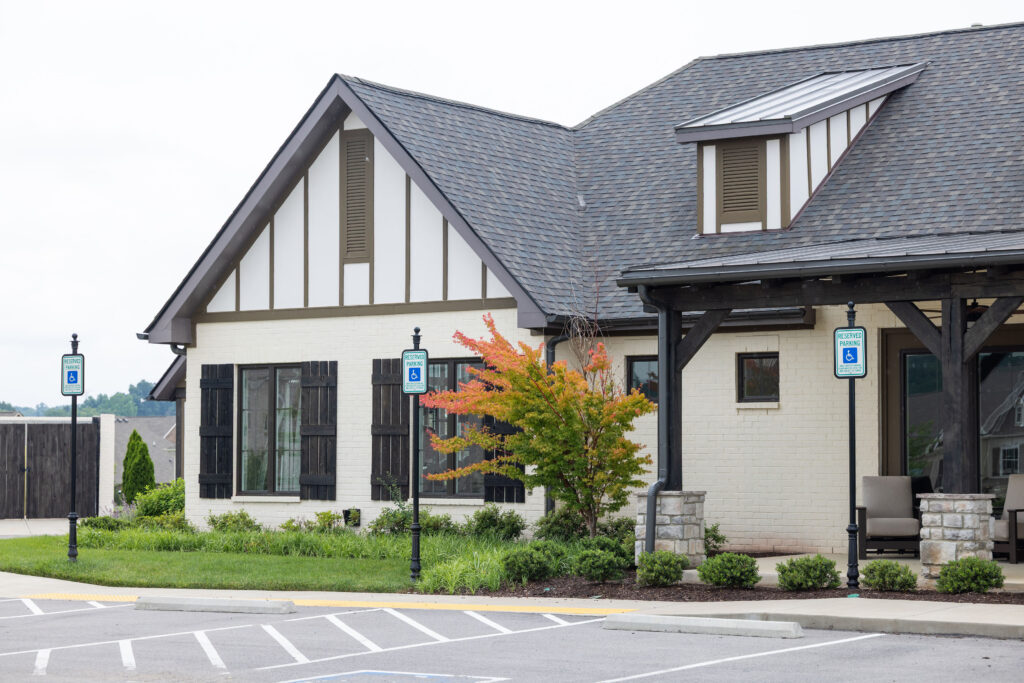
Deciduous Plants That Still Shine in Winter
Not all winter interest comes from evergreen foliage. Some of the most striking winter plants are deciduous but offer bark or stem color.
Red Twig Dogwood
The bright red stems of red twig dogwood create instant winter contrast. These shrubs are most effective when planted in mass, where their color can truly stand out.
Japanese Maple ‘Sango Kaku’ (Coral Bark Maple)
This Japanese maple offers red bark that remains visually appealing even after leaf drop. When used in protected locations, it can become a winter focal point rather than a liability.

Using Ornamental Grasses for Winter Texture
Ornamental grasses can add movement and softness to winter landscapes when managed correctly.
- Do not cut them back too early
- Use them sparingly to avoid visual clutter
- Focus on structure and rhythm, not volume
Grasses should complement evergreens and hardscape, rather than competing with them.
Where Japanese Maples Do Not Perform Well
Japanese maples are often overused in places where they struggle long-term. To protect plant health and reduce maintenance calls, avoid placing them in:
- Windy, exposed parking lot islands
- Highly reflective heat zones
- Areas with no protection from traffic or snow equipment
- Tight commercial beds with no room for mature growth
Proper placement is just as important as plant choice. Understanding how large a plant will grow—and how it will age—is critical. For guidance on sizing and long-term planning, see Understanding Nursery Stock Sizes: A Guide for Homeowners in Tennessee.
Common Winter Landscape Mistakes to Avoid
Heavy Deciduous Shrubs With No Winter Presence
Plants like hydrangeas lose all foliage and visual value in winter, leaving beds looking empty and neglected.
Overplanting Near Signage
Too many plants in high-visibility areas can obstruct signs, create safety hazards, and necessitate frequent pruning.
Barberry and Roses
These plants often struggle with site tolerance, require higher maintenance, and provide limited winter payoff in commercial settings.
High-Litter Trees
Trees that drop excessive leaves, seed pods, or debris increase cleanup costs and make entrances look unkempt during fall and winter.
Many of these issues overlap with broader plant-selection challenges in Tennessee’s climate. For additional insight, see Say Goodbye to These Garden Fails: The Plants You Should Avoid in Tennessee’s Changing Climate.
Why Site Tolerance Matters More Than Plant Variety
A large plant palette does not guarantee success. In fact, fewer well-chosen plants often outperform complex designs.
Winter landscapes must tolerate:
- Wind exposure
- Foot traffic
- Reduced sunlight
- Snow and ice management activity
Choosing plants that naturally handle these conditions reduces replacements, callbacks, and long-term costs.
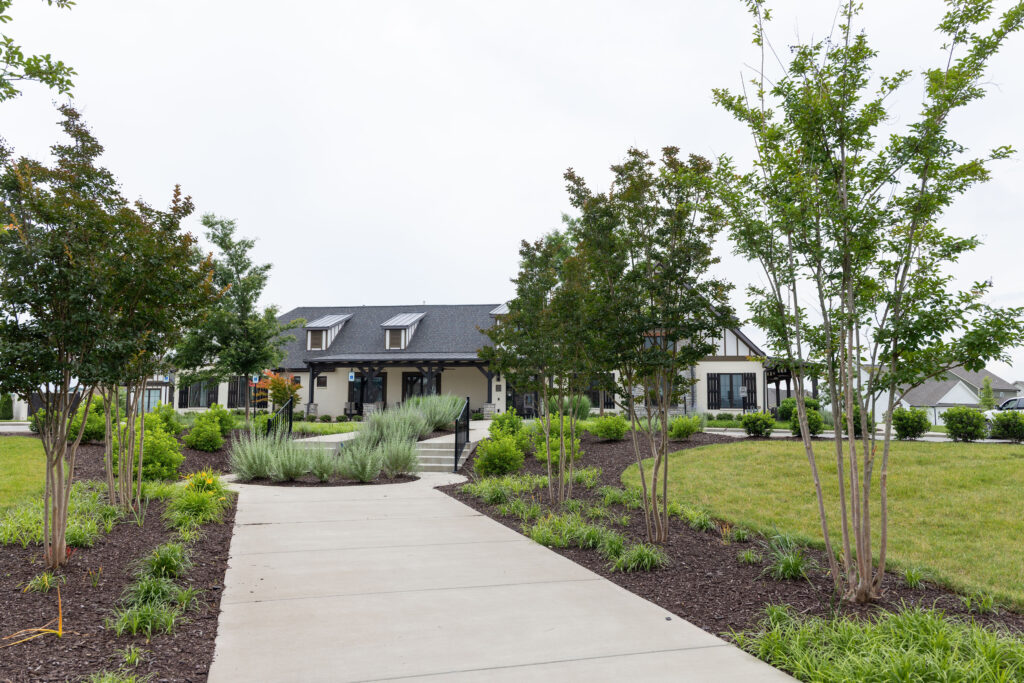
The Role of Mulch in Winter Landscapes
Mulch still plays an important role in winter, even when color options are limited.
Options include:
- Refreshing existing mulch
- Turning mulch to extend its visual life
- Touching up pine straw before spring
A clean, finished bed can elevate the entire entrance—even when plants are dormant. This also sets the stage for seasonal upgrades like spring flowers. Planning early helps ensure availability, as outlined in The Early Bird Gets the Bloom: Order Your Spring Flowers Today.
Final Thoughts: Winter Landscapes Should Still Represent Your Property
Winter does not have to mean boring. With the right mix of structure, contrast, and restraint, commercial entrances can remain polished and intentional year-round.
The key is understanding what performs well, what struggles, and how each plant contributes once the leaves are gone.
Frequently Asked Questions About Winter Landscaping in Tennessee
- What plants look best in winter for commercial landscapes?
Evergreens with seasonal color, red twig dogwood, coral bark Japanese maples, and ornamental grasses provide the most reliable winter interest. - Are Japanese maples good for commercial entrances?
They can be, but only in protected locations. They struggle in windy, exposed areas like parking lot islands. - Why do winter landscapes often look empty?
Many designs rely too heavily on deciduous plants that lose foliage and structure after fall. - Are ornamental grasses worth keeping through winter?
Yes, when left standing, they add texture and movement until early spring. - Should mulch be refreshed in winter?
Light refreshing or turning mulch can significantly improve the appearance before spring services begin. - What plants should be avoided near signage?
Large shrubs, fast-growing plants, and those that require frequent pruning should be avoided near signs. - Why are barberry and roses discouraged for commercial sites?
They often require higher maintenance and have poor tolerance for commercial conditions. - How does plant size affect winter success?
Plants that outgrow their space create visibility and maintenance issues. Proper sizing is critical. - Is winter planting recommended in Tennessee?
Certain plantings and refreshes can be done, but winter is best used for planning and preparation. - When should spring landscape planning begin?
Late fall and winter are ideal times to plan and reserve spring flowers and seasonal upgrades.