
What Is Included in a Commercial Landscape Maintenance Program?
A commercial landscape maintenance program typically includes lawn mowing, turf care, landscape bed maintenance, and general grounds upkeep. Depending on your property’s needs and maintenance agreement, your program may also include irrigation services and shrub pruning.
Lawn Mowing and Turf Maintenance
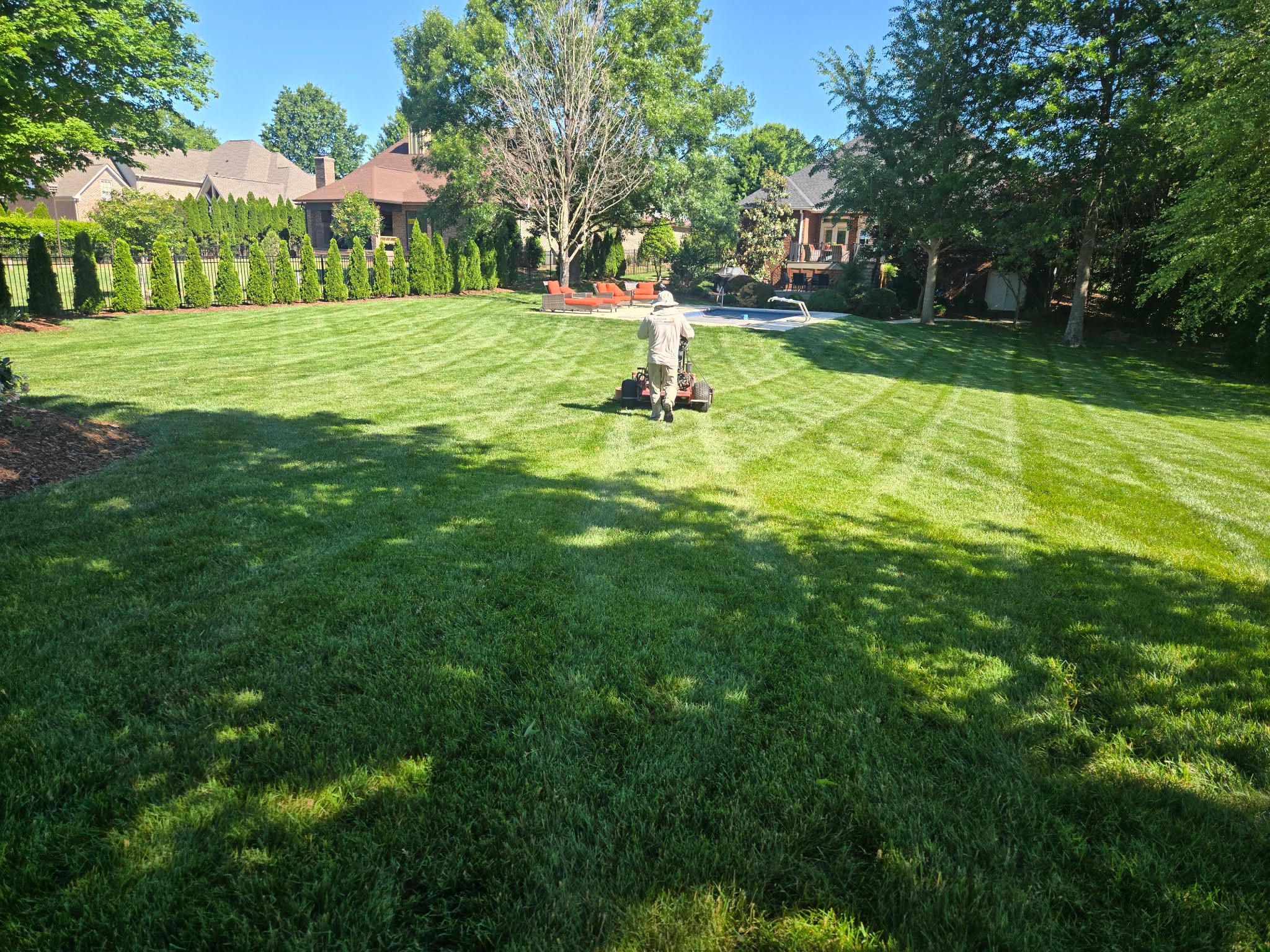
Regular mowing keeps your commercial property looking professional while supporting healthy turf growth. The appropriate mowing height and frequency depend on the type of grass and how quickly it’s growing.
At Puryear Farms, we alternate mowing directions to promote even growth and adjust cutting heights based on turf conditions. We also exchange our mower blades every other day to maintain sharp, clean cuts that minimize stress on the grass.
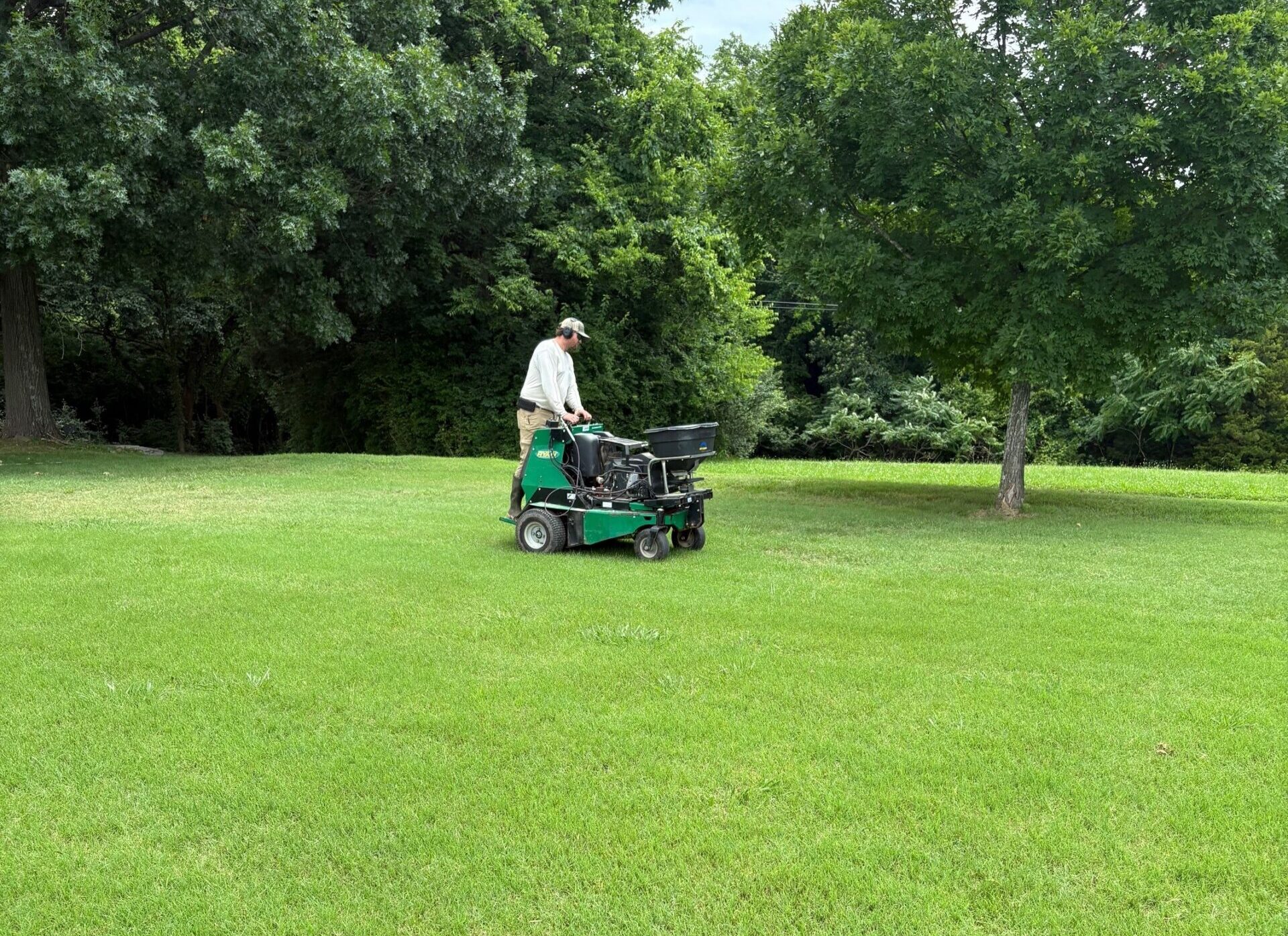
Your maintenance program may also include fertilization and weed control based on your lawn’s needs.
Landscape Bed and Shrub Maintenance
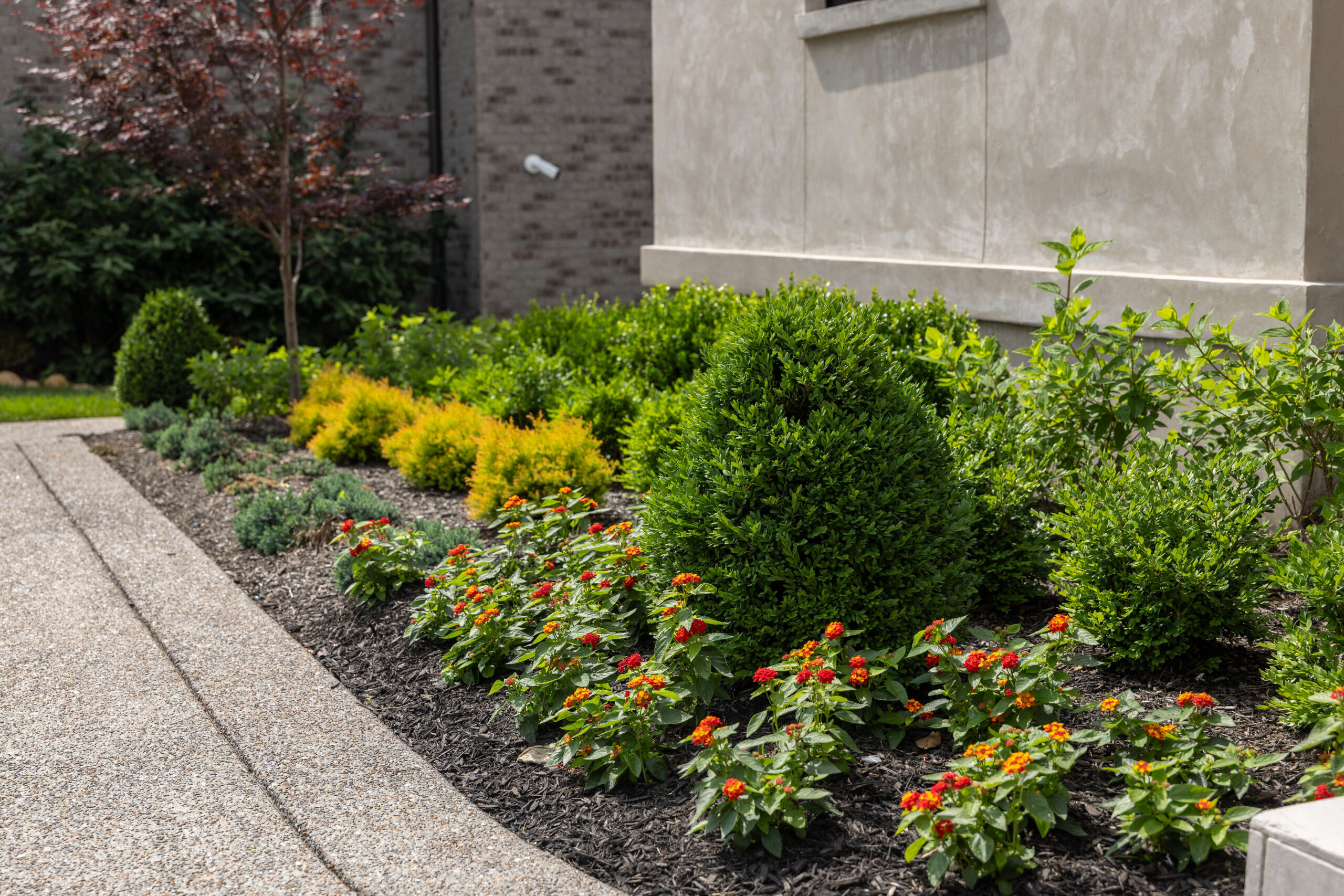
Keeping your landscape beds well-maintained requires regular weed management and attention to plant health.
Routine services may include:
- Removing weeds from planting beds
- Monitoring shrubs and ornamental plants for signs of stress or disease
- Maintaining clean, defined landscape bed edges
- Pruning plants according to their species and seasonal needs
We take a preventive approach to plant care and follow species-specific pruning practices to help keep your shrubs healthy.
Irrigation Maintenance
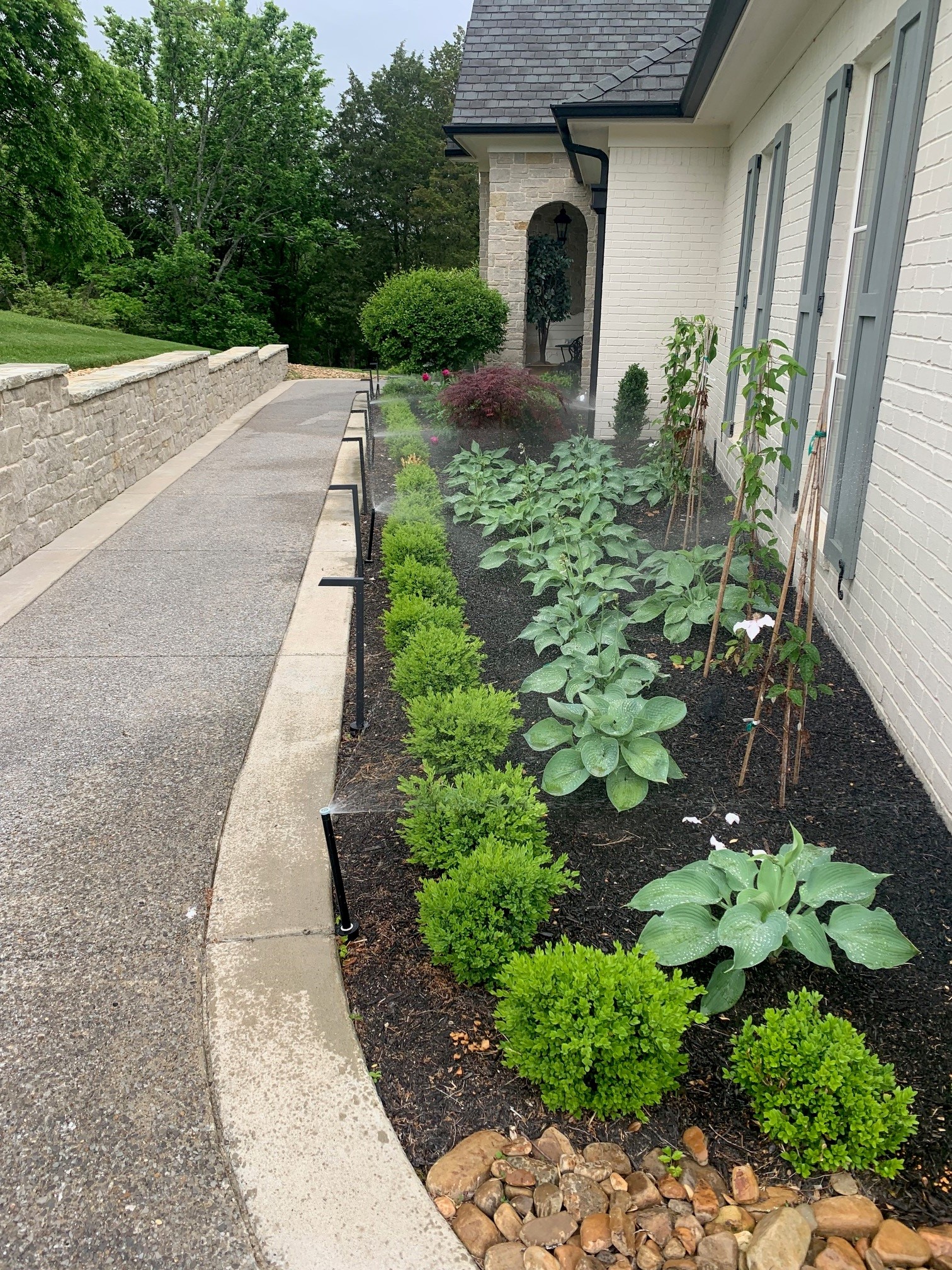
Your irrigation system needs regular attention to ensure your landscape receives adequate water without unnecessary waste.
Irrigation maintenance may include inspecting sprinkler heads, checking water coverage, and identifying leaks or other system problems.
Our dedicated irrigation service technicians handle troubleshooting and repairs to help keep your system working properly.
General Grounds Maintenance
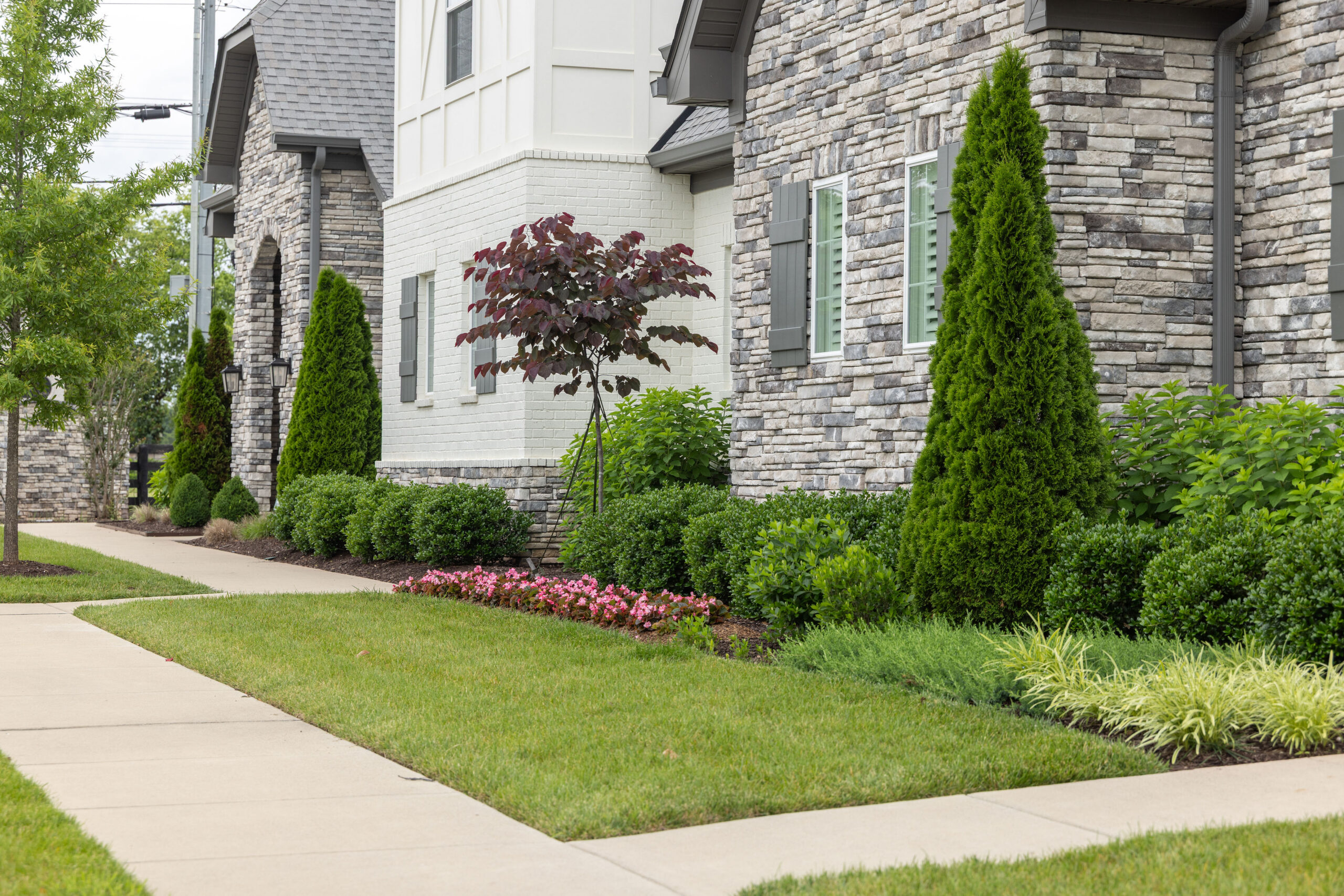
General grounds maintenance keeps your property’s landscaped areas clean and presentable between larger seasonal projects.
Depending on your agreement, this may include litter and debris removal, upkeep of common areas, and identifying damaged plants that need attention.
During routine visits, we can also flag maintenance concerns and communicate any recommended work to your property management team.
How Does Commercial Landscape Maintenance Change Throughout the Year?
Commercial landscape maintenance schedules in Middle Tennessee change with the seasons. Spring and summer bring increased plant growth, while fall and winter require different types of care as temperatures cool.
Your 12-month landscape maintenance program should account for these seasonal conditions to keep your commercial property well-maintained year-round.
| Season | Commercial landscape maintenance priorities | Why it matters in Middle Tennessee |
|---|---|---|
| Spring (March–May) | Resume regular mowing, remove winter debris, manage emerging weeds, inspect irrigation systems, and assess plant health. | Warmer temperatures encourage new growth. Spring is also an important time to identify winter damage and prepare irrigation systems for increased watering needs. |
| Summer (June–August) | Adjust mowing heights, monitor irrigation performance, manage weeds, and inspect turf and plants for stress. | Hot, humid weather increases the risk of turf heat stress and certain diseases. Maintenance practices may need adjusting during periods of extreme heat or limited rainfall. |
| Fall (September–November) | Remove fallen leaves, adjust mowing schedules, perform appropriate seasonal turf treatments, and address drainage concerns. | Cooler temperatures change turf growth patterns. Fallen leaves can accumulate on lawns and landscaped areas, while seasonal rainfall makes drainage issues important to address before winter. |
| Winter (December–February) | Remove storm debris, inspect for weather damage, perform appropriate dormant-season pruning, and prepare for spring maintenance. | Freezing temperatures and occasional winter storms can damage plants and trees. Some commercial properties also require snow and ice management during winter weather. |
The exact timing and frequency of these services depend on your property’s turf varieties, landscape features, and maintenance agreement.
What Additional Commercial Landscape Maintenance Services Might Your Property Need?
Your commercial property may need specialized services beyond routine grounds maintenance, depending on its landscape features and seasonal needs.
At Puryear Farms, we offer additional commercial landscaping services that can be incorporated into your maintenance program or scheduled separately.
- Winter pruning: Pruning suitable trees and shrubs during their dormant season, with timing based on plant species.
- Tree care: Trimming or removing damaged and overgrown trees, including stump grinding when needed.
- Irrigation repairs: Fixing leaks, broken sprinkler heads, and malfunctioning irrigation components.
- Turf health care: Fertilization and weed control treatments tailored to your turf’s condition and seasonal needs.
- Landscape enhancements: Seasonal planting, fresh mulch, and improvements to existing landscape beds.
- Snow and ice management: Clearing snow and managing ice on parking lots, walkways and other exterior areas during winter weather.
- Bio-retention and stormwater management: Maintaining landscaped stormwater systems to help manage runoff and support proper drainage on your commercial property.
What Affects Commercial Landscape Maintenance Pricing?
Commercial landscape maintenance pricing depends on the size of your property, the work required, and how frequently services are performed. Your maintenance provider should assess your grounds before developing a quote that reflects your property’s specific needs.
Several factors influence the cost of a 12-month landscape maintenance program:
- Property size and layout: Larger properties generally require more time and labor to maintain. Steep slopes, obstacles, and areas with limited equipment access can also increase costs.
- Landscape features: A property with extensive planting beds and mature trees will have different maintenance requirements than one consisting primarily of open turf.
- Service frequency: Properties that require weekly visits during the growing season will have different maintenance costs than those with less frequent service schedules.
- Scope of services: Your agreement determines which maintenance tasks are performed during scheduled visits and whether specialized equipment or additional labor is needed.
- Additional services: Work outside your regular maintenance agreement, such as irrigation repairs or landscape enhancements, may involve separate charges.
What Are the Benefits of a Year-Round Commercial Landscape Maintenance Program?
A year-round commercial landscape maintenance program helps you maintain your property’s appearance while reducing the time you spend coordinating landscaping services.
For commercial property managers, an ongoing maintenance agreement offers several advantages:
- Consistent property appearance: Scheduled maintenance keeps your grounds looking professional and welcoming for tenants, employees, and visitors.
- Earlier identification of problems: Regular site visits allow us to spot concerns such as declining plant health or irrigation issues before they lead to more extensive damage.
- Less time spent coordinating services: With a maintenance schedule already in place, you don’t have to arrange individual visits every time your property needs routine attention.
- Consistent communication: Working with the same landscape maintenance provider gives you an established point of contact for questions, service updates, and concerns about your property.
At Puryear Farms, our account managers conduct property inspections, address maintenance concerns, and help coordinate changes to your service agreement. We also document property issues with photos and work tickets so you stay informed about areas that need attention.