
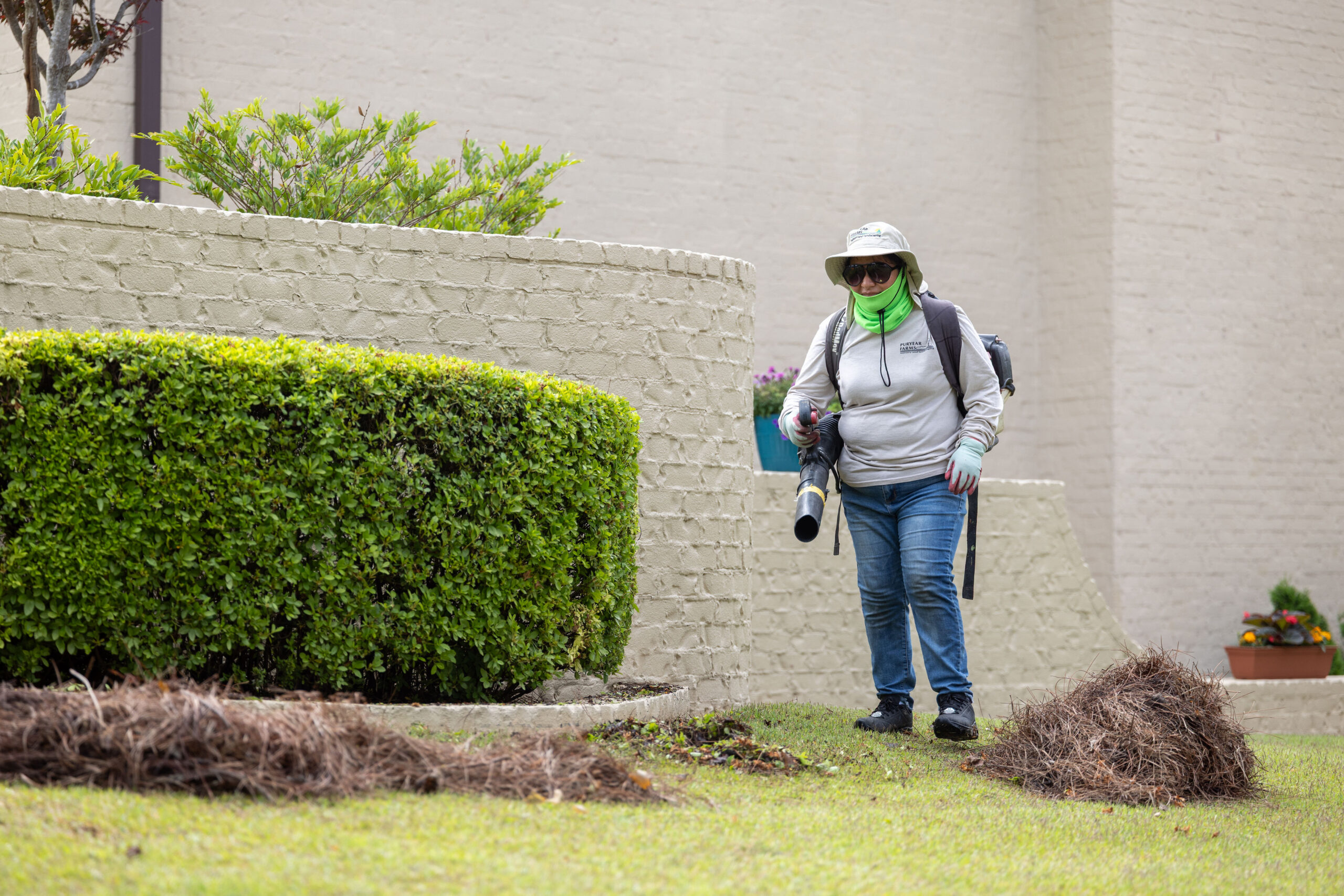
Why Is Fall Cleanup Important for Commercial Properties?
Fall cleanup protects the health of your commercial property’s lawn and plants by removing accumulated leaves. It also keeps high-visibility areas from looking neglected as leaves collect throughout the season.
| Area of your property | How accumulated leaves affect it |
|---|---|
| Turf | A heavy layer of leaves covers the lawn and threatens the health of the turf underneath. |
| Plants | Piled leaves bunch around plants, break down, and damage the plants underneath. |
| Landscape beds | Fallen leaves cover your landscaping and break down into debris throughout the beds. |
| Sidewalks and curbs | Wet leaves collect along hard surfaces and leave them looking dingy and grimy. |
Customers, tenants, residents, and visitors notice the condition of your grounds when they arrive. Consistent leaf removal helps your property make a great first impression throughout the fall.
Here’s What’s Included in a Commercial Fall Cleanup
A commercial fall cleanup includes removing leaves from the property, cleaning out landscape beds, and tending to mulch before winter. At Puryear Farms, we tailor the work to the amount of leaf debris and the conditions at each commercial property.
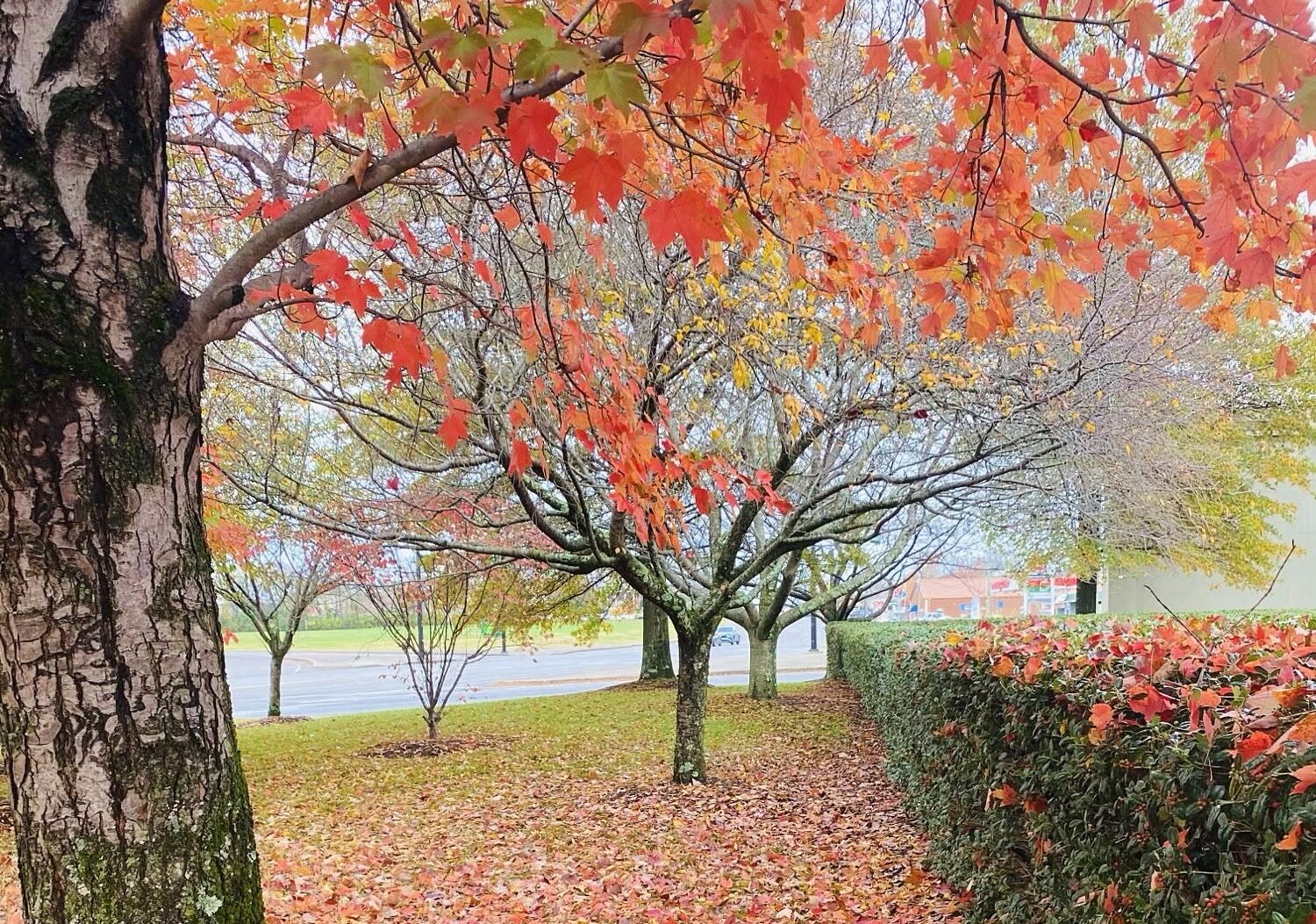
Leaf Removal
We choose from three leaf removal methods based on the property and the volume of leaves:
- Mulching: Our crews run mowers over leaves to mulch them into the turf when conditions are appropriate.
- Bagging: Our crews collect and bag leaves for removal.
- Vacuuming and hauling: For heavier leaf accumulation, our crews use a leaf vacuum truck to collect and haul leaves off the property.
We train our crews on proper leaf mulching, including when conditions call for mulching and when they don’t. Team members who operate our leaf vacuum truck also receive specialized training on that equipment.
Landscape Bed Cleanup
Landscape bed cleanup removes the leaves and debris that settle between plants and throughout planted areas during the fall. Our crews:
- Remove accumulated leaves and debris from the beds
- Clear leaves from around plants
- Rake the beds to prepare them for winter
Once the beds are cleared and raked, we turn our attention to the mulch and determine what it needs for the rest of the season.
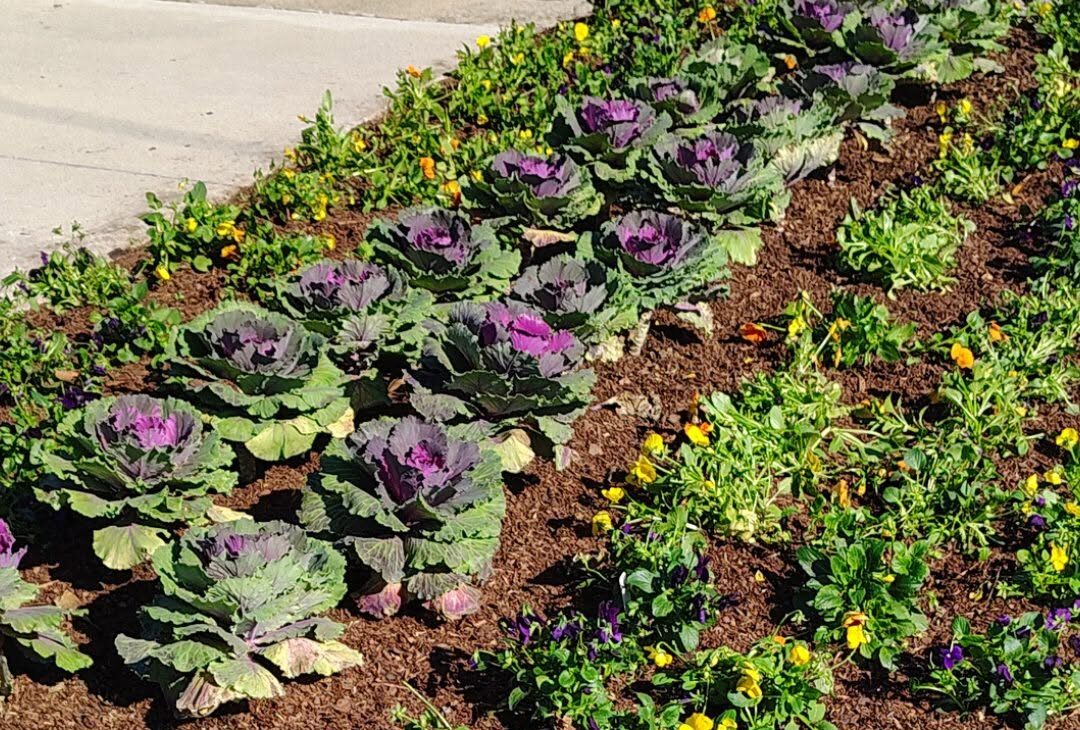
Mulch Fluffing or New Mulch
Mulch fluffing restores the texture and appearance of existing mulch without requiring another full application. If your property received fresh mulch in the spring, we offer two options based on the condition of your beds:
- Fluff existing mulch: Our crews use rakes to loosen mulch compacted by rain, foot traffic, and time.
- Apply new mulch: Our crews add new mulch when the existing material needs more than fluffing.
Many of our commercial clients choose mulch fluffing in the fall because it improves the appearance of spring-applied mulch after eight or nine months without the expense of another full application.
How Many Fall Cleanups Does a Commercial Property Need?
We typically recommend two to three fall cleanups for commercial properties (with the exact number based on the type of trees, their leaf-drop patterns, and the weather). Scheduling multiple visits accounts for the fact that your trees won’t all drop their leaves at once.
For example, maples and other varieties tend to drop earlier, while oaks and sycamores hold their leaves longer. If you schedule one cleanup after the first major leaf drop, late-dropping trees will still have leaves on their branches. When those leaves eventually fall, they’ll cover the property again.
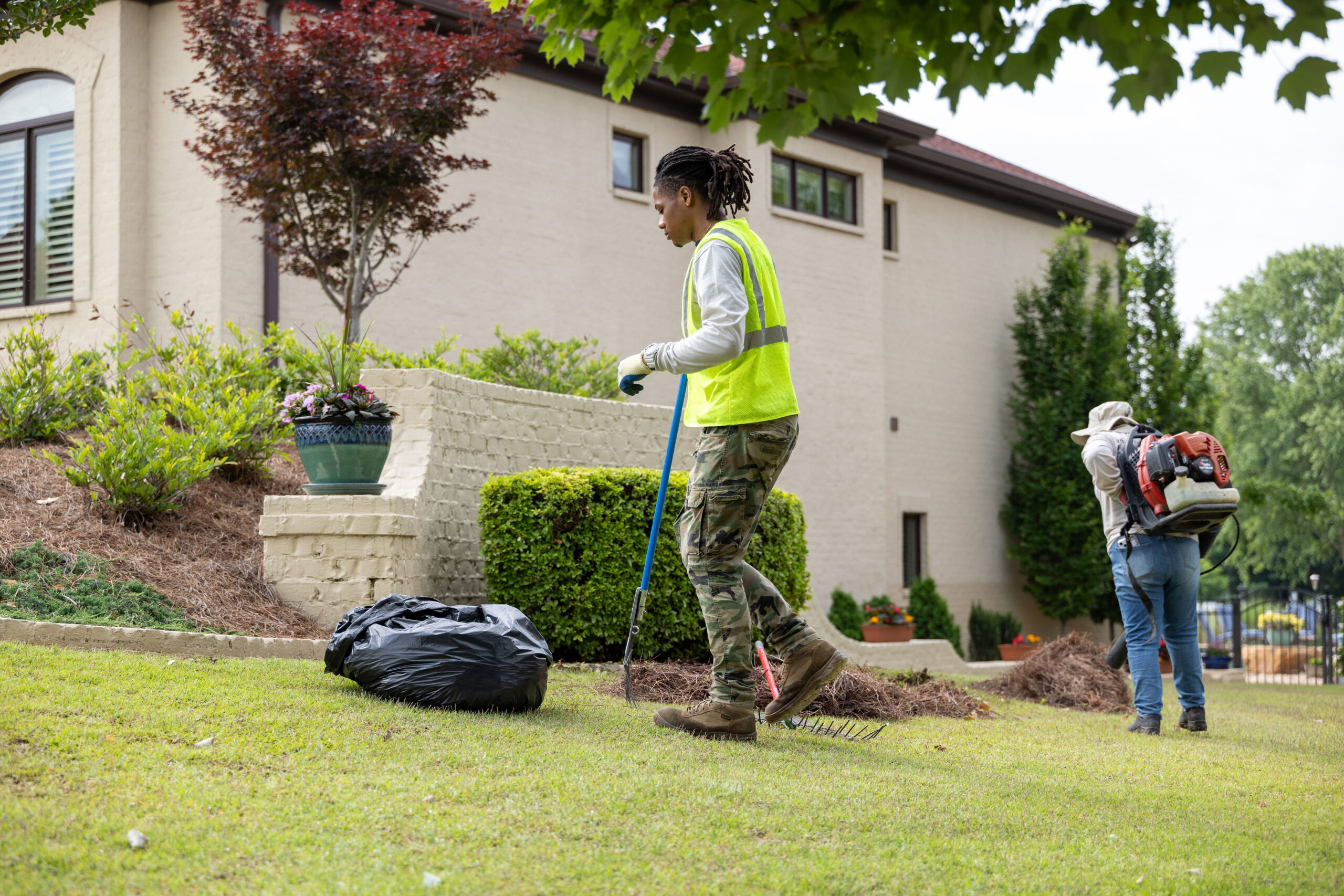
Planning Fall Cleanup Around the Trees on Your Property
Plan your fall cleanup schedule by identifying the types, number, and locations of deciduous trees across your commercial property. A tree inventory gives us the information we need to anticipate leaf volume and determine when cleanup visits make the most sense for your site.
| What to evaluate | What to look for |
|---|---|
| Tree types | Identify the deciduous tree varieties across your property, especially late-dropping oaks and sycamores. |
| Number of trees | Note areas with a higher concentration of trees and heavier leaf volume. |
| Tree locations | Identify where leaves will collect most heavily across turf, landscape beds, and other areas. |
| Actual leaf drop | Track what’s happening on your property throughout the season instead of relying on predetermined calendar dates. |
With this information, we can build your cleanup schedule around the unique conditions at your property instead of using the same timeline for every commercial site.
How Does Weather Affect Your Fall Cleanup Schedule?
Weather affects your fall cleanup schedule by changing when leaves drop throughout the season. Cold temperatures and hard rain bring down leaves that trees have continued to hold, which shifts when cleanup visits need to happen.
Think about how a cold, hard rain in December can bring down another round of leaves from trees that haven’t finished dropping.
We account for these changing conditions when timing your cleanup visits. That flexibility keeps your schedule aligned with the actual leaf drop on your property rather than dates chosen weeks or months in advance.
How to Plan Fall Cleanup Around Important Property Events
Plan fall cleanup around important events and high-traffic dates by telling us when your commercial property needs to look its best. The earlier we know about these dates, the better we can account for them when scheduling your seasonal service.
This is especially important for:
- Hotels preparing for conferences, weddings, or other events
- Senior living communities hosting family visits or special gatherings
- Commercial properties expecting an increase in customers, tenants, or visitors
Knowing your important dates ahead of time gives us more flexibility to coordinate service around them. Share your event calendar with us when we plan your fall cleanup schedule so we know which dates matter most for your property.
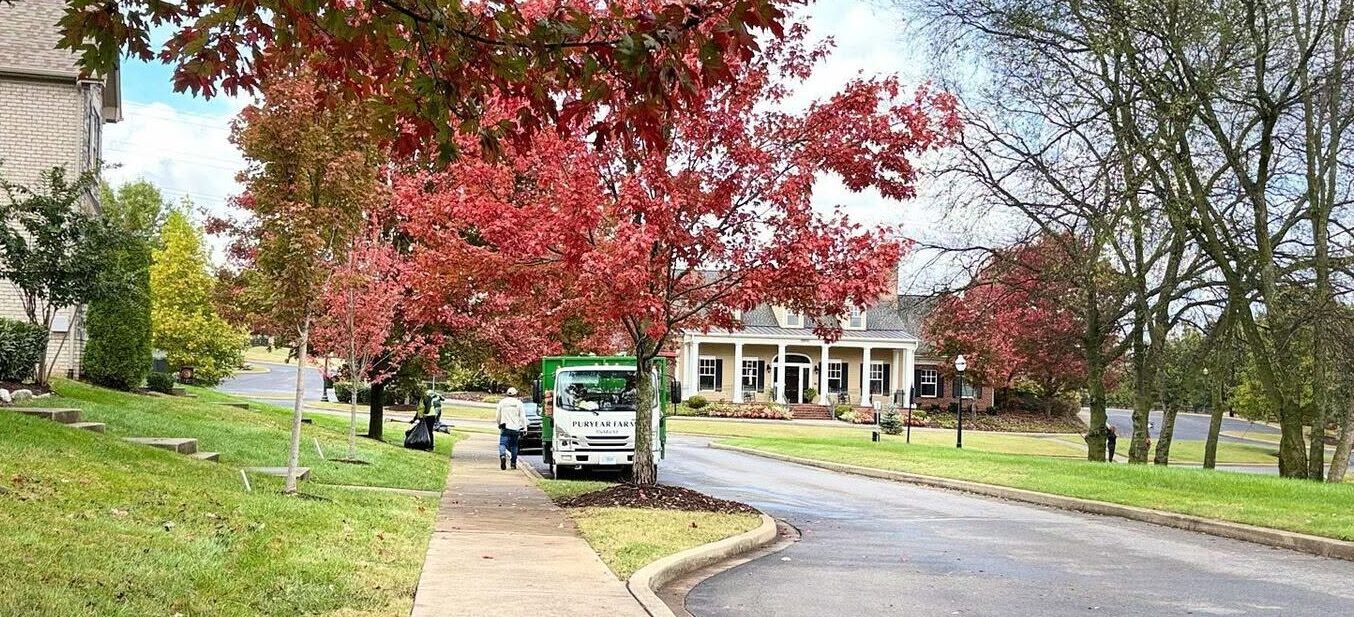
How Much Does Fall Cleanup Cost for a Commercial Property?
The cost of commercial fall cleanup depends on the amount of work required at your property, including leaf volume, cleanup methods, number of visits, and additional landscape bed care. Because every site requires a different scope of work, there isn’t one standard price.
The main factors that determine your quote include:
- Property size and layout: Larger or more complex sites require more time and labor to clean.
- Leaf volume: Heavier accumulation increases the amount of material our crews need to collect and handle.
- Number of cleanup visits: Two or three scheduled cleanups require a different scope of work than a single visit.
- Leaf removal method: Mulching leaves into the turf requires a different process than bagging, vacuuming, hauling, and disposing of them.
- Landscape bed care: Bed cleanup, mulch fluffing, and new mulch add to the overall scope of service.
We prefer to provide a firm quote for commercial cleanup work rather than bill by time and materials. You’ll know what we’ve quoted for the work upfront instead of receiving a bill based on the number of hours the cleanup ultimately takes.